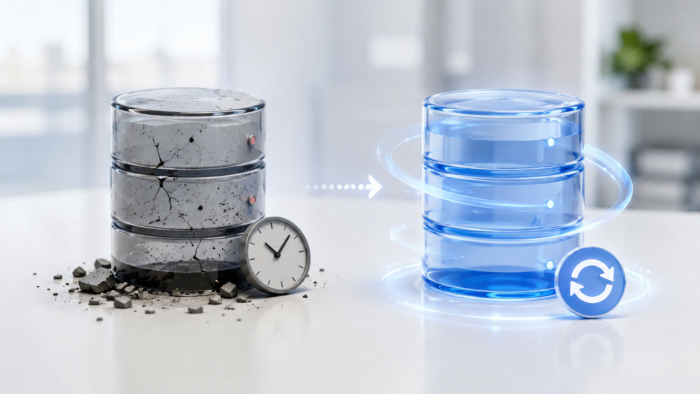
Two databases can advertise the same record count and deliver wildly different results because one is a frozen snapshot and the other is verified continuously. Thanks to how fast B2B data decays, how often a database is refreshed often matters more than how big it is. Here’s why, and how to tell the difference before you buy.
Two Very Different Models
B2B databases broadly come in two forms: static and continuously refreshed. The distinction sounds technical, but it directly determines how many of your records will actually connect and it should shape both which vendor you choose and how you use the data.
What a Static Database Is
A static database is a fixed export you buy a set of records as they existed on a given day, with no ongoing updates. It can be cheaper upfront, but its accuracy only goes down from the moment of purchase. A static list bought six months ago is meaningfully less accurate today than the day it landed.
What a Continuously-Refreshed Database Is
A continuously-refreshed database is re-verified on an ongoing cycle the provider rechecks emails, phones, titles, and company details and updates them as the world changes. You’re paying for
currency, not just
quantity, which is why refreshed databases are usually sold as subscriptions rather than one-time purchases.
Understanding Data Decay
Data decay is the rate at which records go stale as people change jobs, companies merge, and emails are deactivated. Industry estimates commonly put B2B contact decay at roughly 25–30% per year. That means a static list can lose a quarter or more of its usefulness within twelve months and high-growth sectors like tech tend to decay even faster.
What Stale Data Actually Costs You
The cost isn’t just bounced emails. Repeated hard bounces from stale data damage your sender reputation, which then hurts deliverability for your
good contacts too. Outdated phone numbers waste rep time, and wrong job titles cause mistargeted, off-key outreach that makes your brand look careless. Stale data quietly taxes every channel it touches.
Why Bigger Isn’t Better
A larger static database often contains more stale records, not more usable ones. A smaller, continuously verified database can deliver better real-world results because a higher share of its records actually connect. Always judge a database by its usable, current records not the headline count a vendor leads with.
How to Tell Which Model a Vendor Uses
Ask directly: “How often is each record re-verified, and what triggers an update?” Strong answers describe continuous or frequent verification and event-driven updates for example, re-checking when someone changes jobs. Vague claims like “our data is industry-leading,” with no mention of cadence, usually mean static or rarely-updated data.

Limiting the Damage If You Buy Static
Sometimes a static purchase makes sense for a specific, time-boxed campaign. If you go that route, use the data quickly, validate emails right before sending, segment so you’re not blasting the whole list at once, and plan to re-enrich or replace it within a few months. Treat a static list as a fast-perishable asset, not a long-term resource.
Key Takeaways
Prioritize freshness over raw size. The question that best predicts your real-world results isn’t “how many records do you have?” but “how recently and how often are those records verified?” For most teams, a continuously-refreshed database is worth the premium, because the alternative quietly erodes both your results and your sender reputation.
Frequently Asked Questions
What is data decay?
Data decay is the rate at which contact records become outdated as people change jobs and companies change. B2B data is commonly estimated to decay around 25–30% per year.
Is a bigger database always better?
No. A large static database often holds more stale records, while a smaller, continuously verified one can deliver better results because more of its records actually connect. Judge by usable, current records.
How often should a B2B database be refreshed?
Ideally continuously. The best providers re-verify records on an ongoing cycle and update them when events like job changes occur, rather than refreshing once a year.
What does stale data cost me?
Beyond wasted effort, repeated bounces damage your sender reputation and hurt deliverability for your good contacts, while outdated phones and titles waste rep time and weaken outreach.
Is it ever okay to buy a static list?
For a specific, time-boxed campaign, yes but use it fast, validate emails before sending, and plan to replace it within a few months before decay sets in.
How can I tell if a database is actively maintained?
Ask how often records are verified, updated, and removed when they become invalid. Providers that continuously monitor job changes, company updates, and email validity typically maintain higher-quality data than those that rely on periodic bulk refreshes.
What warning signs indicate a database may contain stale data?
High email bounce rates, disconnected phone numbers, outdated job titles, and contacts who no longer work at the listed company are all signs that a database is not being maintained effectively.
How long does contact data typically remain accurate?
It varies by industry and role, but business contact information can begin losing accuracy within months as employees change jobs, get promoted, or move departments. This is why ongoing verification is critical.
Should I test a database before committing to a long-term contract?
Yes. A sample test allows you to evaluate data freshness, email validity, contact accuracy, and coverage within your target market. Testing often reveals more about quality than vendor claims or record counts.
What’s more important: database size or data quality?
Data quality almost always has a greater impact on results. Accurate, recently verified records generate better response rates, fewer bounces, and more productive outreach than a much larger database filled with outdated information.