Every B2B data vendor claims their data is accurate. The hard part is knowing whether that’s true before you’ve handed over money. Accuracy is the single factor that most affects your results, so it deserves real scrutiny. Here’s what accuracy actually means, the questions that cut through the marketing, and how to verify a claim yourself.
What Data Accuracy Really Means
Accuracy is how often a field’s value is correct and current — a deliverable email, a working phone number, a present-day job title. It’s not one number but a property that varies by field and decays over time. A record can be perfectly accurate today and partly wrong in six months, which is why accuracy and freshness are tightly linked.
Why Vendor Accuracy Claims Are Hard to Compare
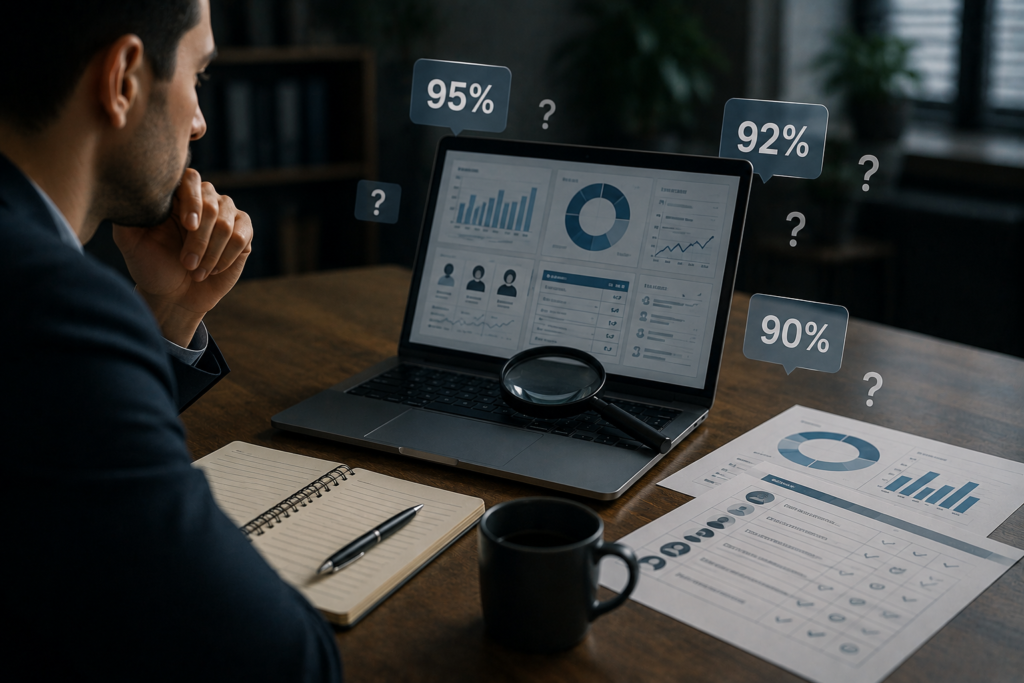
“95% accurate” sounds precise but is nearly meaningless without context: accurate on which fields, measured how, and how recently? Different vendors measure differently, so headline percentages rarely compare cleanly. Treat any unqualified accuracy claim as a starting point for questions, not as a fact you can act on.
The Questions That Reveal True Accuracy
A few pointed questions tell you most of what you need to know:
- Which fields does your accuracy figure refer to, and how is it measured?
- How recently is each record verified, and how often?
- Is verification automated, human, or both?
- What’s the fill rate on the fields I care about?
- Do you offer a guarantee, and what’s the remedy if data is wrong?
Clear, specific answers signal a vendor that measures rigorously; vague ones signal data you can’t trust.
How to Verify a Claim Before Buying
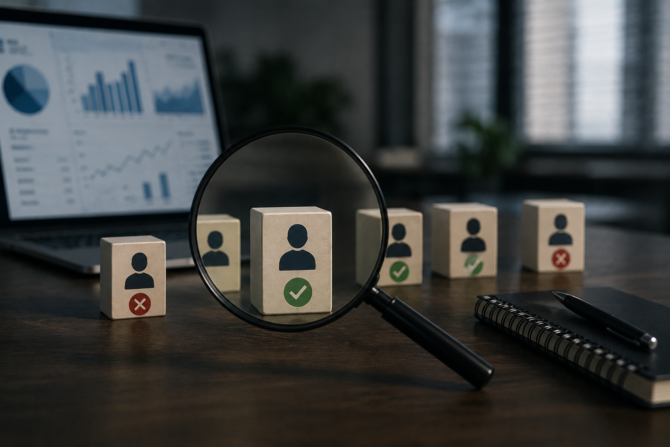
Don’t take accuracy on faith — test it. Request a representative sample and independently check a set of records: verify emails, confirm titles, and test a few phone numbers. A sample audit on even 50–100 records reveals real-world accuracy far better than any marketing figure.
Accuracy by Field Type
Accuracy isn’t uniform across fields. Company-level data like industry and size tends to be more stable, while contact-level data — emails, direct dials, titles — decays faster as people change roles. When you evaluate, weight accuracy on the specific fields your outreach depends on, not the average across everything.
What a Realistic Accuracy Rate Looks Like
Because data decays continuously, no database is perfectly accurate, and claims of near-perfection should raise an eyebrow. A realistic expectation is strong-but-imperfect accuracy on well-maintained fields, with some inevitable error. Vendors who acknowledge this honestly are often more trustworthy than those promising flawless data.

Accuracy Guarantees and Remedies
Some vendors back their data with guarantees — for example, replacing or crediting records that bounce above a threshold. A meaningful guarantee shows confidence and gives you recourse. Read the terms carefully, though: the value is in the remedy and how easy it is to claim, not in the headline promise.
Key Takeaways
Data accuracy varies by field and decays over time, so unqualified vendor claims mean little on their own. Ask how accuracy is measured, how often data is verified, and what guarantees apply — then verify with a sample audit. Real-world testing beats any marketing percentage.
Frequently Asked Questions
What does B2B data accuracy mean?
It’s how often a field’s value is correct and current, such as a deliverable email or a present-day job title. It varies by field and declines over time as data decays.
How can I verify a vendor’s accuracy claim?
Request a representative sample and independently check 50–100 records — verifying emails, titles, and a few phone numbers. Real-world testing reveals accuracy better than any stated percentage.
Is 100% accurate data realistic?
No. Because contact data decays continuously, no database is perfect. Claims of near-perfection should raise suspicion rather than confidence.
What is an accuracy guarantee?
A vendor commitment to replace or credit records that fail a threshold, such as excessive bounces. Its value lies in the remedy and how easily you can claim it, so read the terms.
How often should B2B data be refreshed?
Contact and company information changes constantly, so leading providers refresh records continuously or on recurring verification cycles. The more frequently data is updated, the lower the impact of data decay.
Which data fields tend to be the most accurate?
Company-level information such as industry, employee count, and headquarters location typically changes less often than individual contact details. Email addresses, direct dials, and job titles usually require more frequent verification.
Why do valid contacts sometimes still bounce?
Bounces can occur when employees leave a company, organizations change email formats, or mail servers reject messages for technical reasons. Even high-quality databases will experience some level of bounce activity over time.
Should I prioritize data coverage or data accuracy?
Both matter, but accuracy usually delivers greater value. A smaller database with reliable contact information often produces better outreach results than a larger database filled with outdated or unverified records.
What warning signs indicate poor-quality B2B data?
High email bounce rates, outdated job titles, duplicate records, missing contact information, and vague explanations about data sources are all indicators that a database may not be maintaining its data effectively.
What should I ask a vendor before signing a long-term contract?
Ask for proof of performance, not just accuracy percentages. Request a sample dataset, recent verification methodology, average email bounce rates, update frequency, and customer references from companies similar to yours. Vendors that can transparently demonstrate data quality and deliver measurable results are generally more reliable partners than those relying solely on marketing claims.