Cold calling from a purchased database can be highly effective or a frustrating waste of time depending on how you do it. Good data is only the start; how you prepare, target, and call determines results. Here are best practices for cold calling from bought data.
Why the Data Quality Comes First
Cold calling magnifies data quality issues because a wrong number wastes a rep’s live time, not just an automated send. Accurate direct dials and current titles are essential calling a switchboard or asking for someone who left months ago burns time and morale. Start by ensuring your phone data is accurate and direct-dial-heavy.
Target the Right People
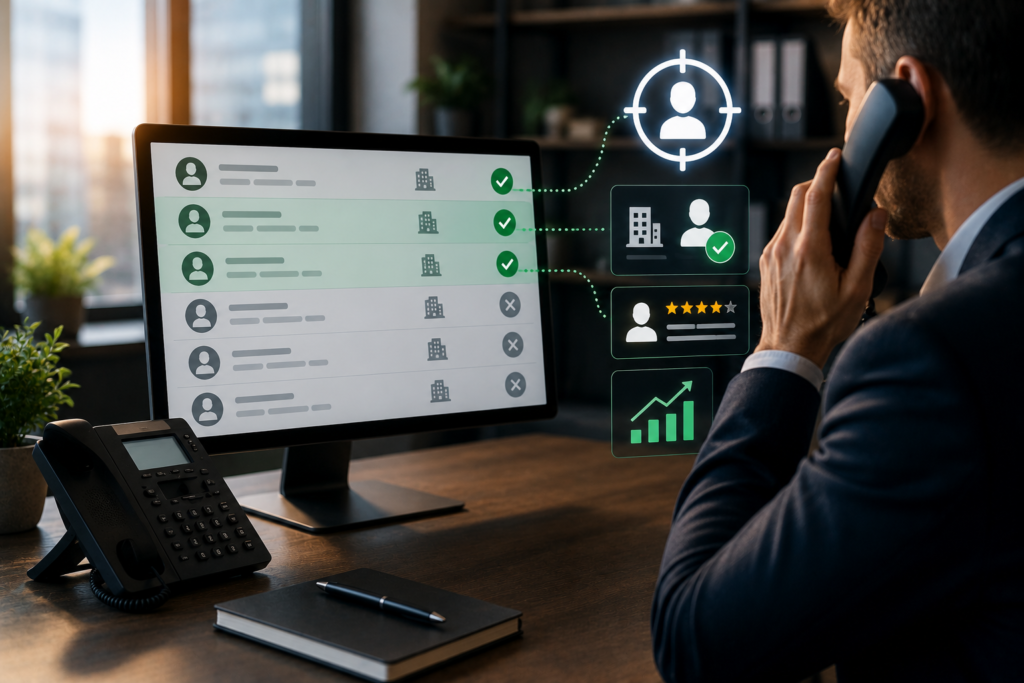
Effective cold calling starts with calling the right people. Use your data to filter to decision-makers at fitting companies, and prioritize by relevance and any intent signals. A smaller list of well-targeted, high-fit prospects produces better results than dialing a large, loosely-targeted one — reps’ calling time is finite, so spend it where it counts.
Prepare With the Data You Have
Before dialing, use the firmographic and other data to prepare. Knowing a prospect’s company, role, and situation lets reps open with relevance rather than a generic script. Even brief preparation — informed by the data fields — makes calls feel less cold and improves the odds of a real conversation.
Respect Calling Compliance
Calling carries its own rules that can differ from email — do-not-call considerations, consent requirements in some regions and for some channels (especially mobiles), and other regulations that vary by location. Understand the rules where your prospects are before launching calling campaigns, maintain suppression lists, and honor requests not to be called. (General information, not legal advice.)
Track and Refine Your Calling
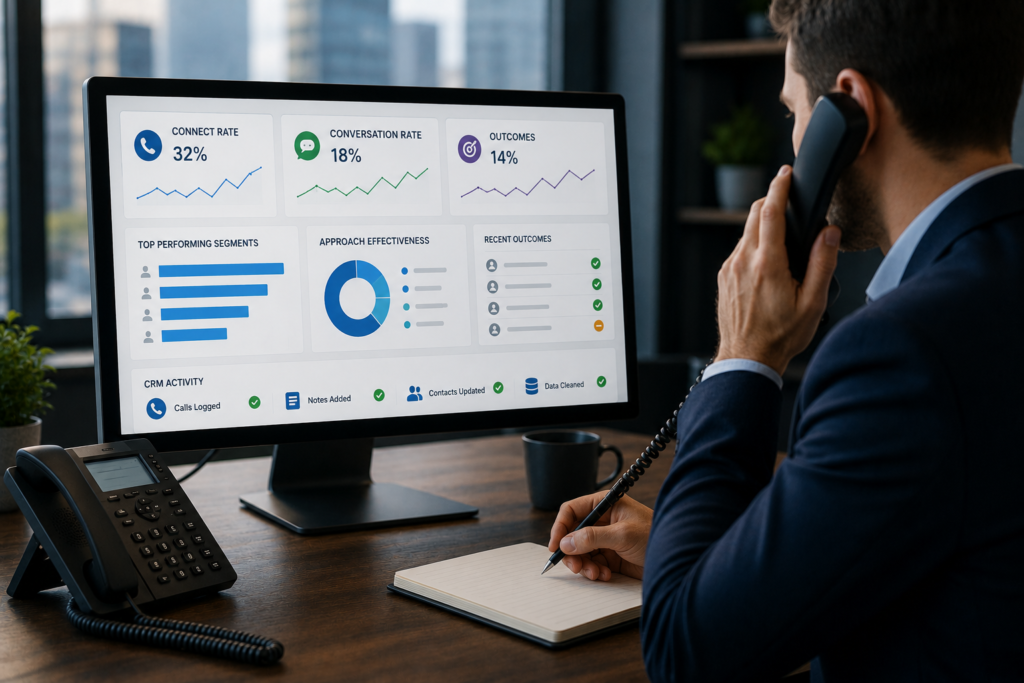
Treat cold calling as a measurable activity. Track connect rates, conversation rates, and outcomes, and note which segments and approaches work best. Use that feedback to refine targeting and messaging. Logging calls in your CRM keeps data current too — updating wrong numbers and noting role changes feeds back into cleaner data over time.
Keep the Data Updated From Call Outcomes
Calling generates valuable data hygiene signal. When a number is wrong, a person has left, or a title has changed, capture that and update your records. Over time, this turns your calling activity into a continuous data-cleaning loop, improving the quality of your database alongside generating pipeline — a double benefit of disciplined calling.
Key Takeaways
Cold calling from a purchased database works best with accurate direct-dial data, tight targeting of the right people, brief data-informed preparation, and respect for calling compliance. Track and refine your calling, and feed call outcomes back into your data hygiene. Good data plus disciplined practice turns bought data into effective calling; poor data or careless practice wastes reps’ live time.
Frequently Asked Questions
Can I cold call from a purchased database?
Yes, and it can be effective — with accurate direct-dial data, tight targeting, good preparation, and respect for calling compliance.
Why does data quality matter more for calling?
Because a wrong number wastes a rep’s live time, not just an automated send. Accurate direct dials and current titles are essential.
How do I target the right people for calling?
Use your data to filter to decision-makers at fitting companies and prioritize by relevance and intent. A tight, high-fit list beats a large loose one.
How should I prepare for cold calls?
Use firmographic and other data to learn the prospect’s company, role, and situation, so you can open with relevance rather than a generic script.
Are there compliance rules for cold calling?
Yes. Calling carries do-not-call and consent considerations that vary by region and channel, especially for mobiles. Check local rules; this isn’t legal advice.
What should I track when cold calling?
Connect rates, conversation rates, and outcomes, plus which segments and approaches work best, to refine targeting and messaging.
How does calling improve my data?
Call outcomes reveal wrong numbers, departures, and title changes. Capturing these updates turns calling into a continuous data-cleaning loop.
Why are direct dials important for calling?
Because they reach the person directly, while switchboard numbers drop you at reception and waste a rep’s time.
Should I maintain a do-not-call suppression list?
Yes. Honor requests not to be called and maintain a suppression list, both for compliance and to avoid wasting effort.
Does a smaller targeted list beat a big one for calling?
Usually yes. Reps’ calling time is finite, so a well-targeted, high-fit list produces better results than dialing a large, loose one.