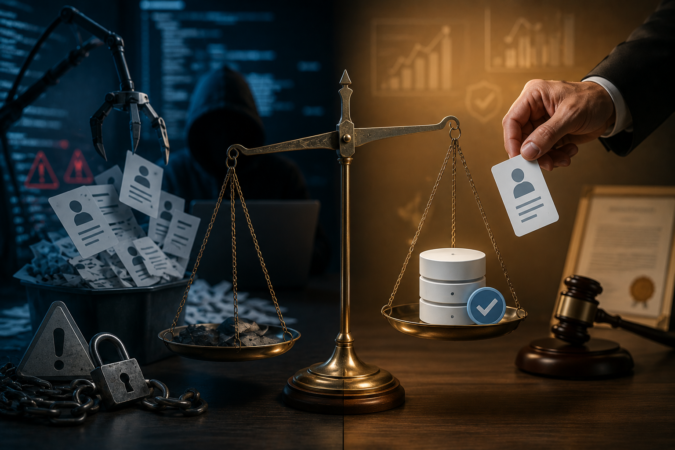
Scraping automatically extracting data from websites can look like a free alternative to buying B2B data. But the reality involves real risks, hidden costs, and legal and ethical questions that the “free” framing ignores. Here’s an honest comparison to help you decide.
What Scraping Actually Involves
Scraping uses automated tools to extract information from websites at scale. In a B2B context, that might mean pulling contact or company details from public pages. It can seem appealing because the data appears free, but the appearance is deceptive scraping carries costs and risks that a subscription doesn’t.

The “Free Data” Illusion
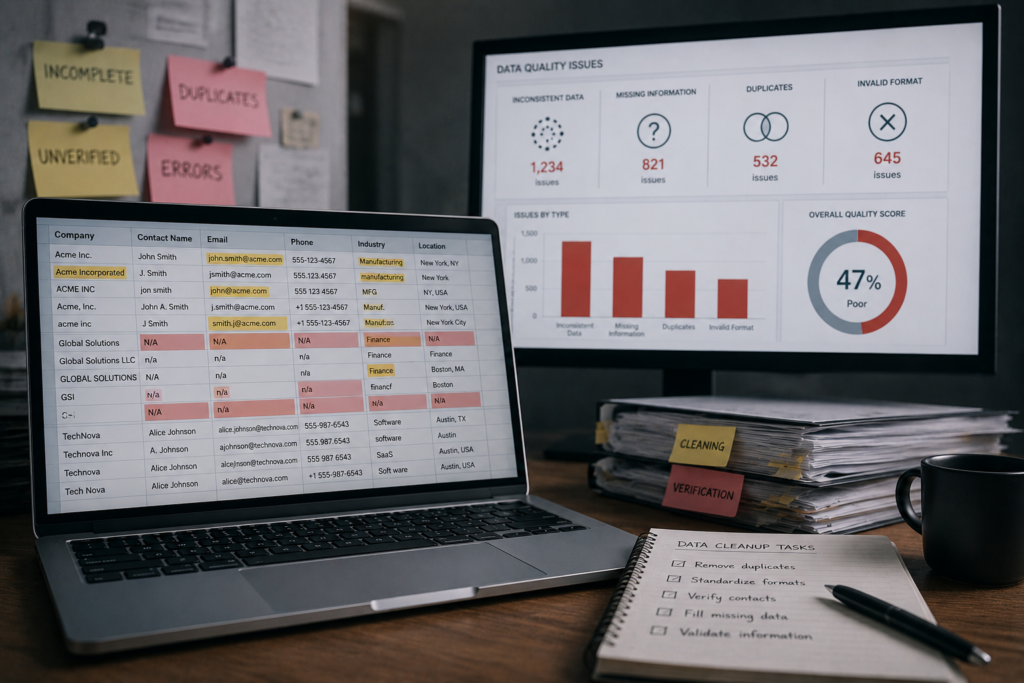
Scraped data isn’t really free. It costs engineering time to build and maintain scrapers, breaks when sites change, and produces raw data that needs cleaning, deduplication, and verification. The effort and infrastructure add up, and the resulting data is often messier and less complete than a maintained database. “Free” ignores the substantial work involved.
Data Quality Problems With Scraping
Scraped data tends to be inconsistent, incomplete, and unverified. Without a verification and refresh process, it decays immediately and often arrives with errors and duplicates. You inherit all the data-quality work a reputable vendor would otherwise handle — and doing it well at scale is harder than it looks.
Legal and Terms-of-Service Risks
Scraping raises legal questions that depend heavily on jurisdiction, the data involved, and the source’s terms of service. Many sites prohibit scraping in their terms, and extracting personal data implicates privacy laws like GDPR. The legal landscape is genuinely complex and contested, so scraping can carry meaningful legal risk — consult an attorney before relying on it.
Compliance and Reputational Risk
Beyond legality, scraped personal data often lacks any clear lawful basis or consent trail, which is a compliance problem when you market to it. There’s reputational risk too, both in how the data was obtained and in the poor outreach that messy data produces. These risks are exactly what buying from a compliant vendor is meant to avoid.
When Buying Is the Safer Choice
For most teams, buying from a reputable provider is the safer, more efficient path: you get verified, maintained data with documented sourcing, and you avoid the legal, compliance, and quality risks of scraping. Unless you have a specific, carefully-considered reason and legal guidance, the apparent savings from scraping rarely justify the risks.
Key Takeaways
Scraping looks free but carries real costs (engineering, cleaning, verification), serious data-quality problems, and significant legal and compliance risks that depend on jurisdiction and source terms. Buying from a reputable, compliant vendor avoids most of these and delivers maintained, verified data. For most teams, buying is the safer choice — and any scraping should follow legal advice.
Frequently Asked Questions
Is scraping a good alternative to buying B2B data?
For most teams, no. Scraping carries real costs, data-quality problems, and legal and compliance risks that buying from a reputable vendor avoids.
Is scraped data really free?
No. It costs engineering time to build and maintain scrapers, plus cleaning, deduplication, and verification — and the data is often messier and less complete.
Is scraping legal?
It’s complex and depends on jurisdiction, the data involved, and the source’s terms of service. Many sites prohibit it, and personal data implicates privacy laws. Consult an attorney.
What’s wrong with scraped data quality?
It tends to be inconsistent, incomplete, and unverified, decaying immediately and arriving with errors and duplicates that you must fix yourself.
What compliance risks does scraping carry?
Scraped personal data often lacks a clear lawful basis or consent trail, which is a problem when you market to it, plus reputational risk.
Does scraping violate terms of service?
Many sites prohibit scraping in their terms, so it can breach those terms. The legal implications vary, so seek legal guidance before relying on it.
Why is buying safer than scraping?
Because reputable vendors provide verified, maintained data with documented sourcing, avoiding the legal, compliance, and quality risks of scraping.
Does scraped data need verification?
Yes. Without a verification and refresh process, scraped data is unreliable, so you inherit all the quality work a vendor would otherwise do.
Can scraping ever make sense?
Only with a specific, carefully-considered reason and legal guidance. For most teams, the apparent savings don’t justify the risks.
Is this legal advice?
No. The legality of scraping is genuinely complex and varies by jurisdiction and context, so consult a qualified attorney for your situation.