LinkedIn is the obvious place to look when building a B2B list millions of professionals, all their roles and companies, neatly organized. But turning that into a usable outreach list is harder and riskier than it looks. Here’s what you can and can’t do, and the pitfalls to avoid.
Why LinkedIn Looks Like a Goldmine
LinkedIn appears ideal: a vast, current directory of professionals with titles, companies, and seniority visible. For finding the right people, it’s genuinely valuable. The trouble starts when you try to extract that information at scale into a contact list for outreach that’s where the limits and risks appear.
What You Can Reasonably Do
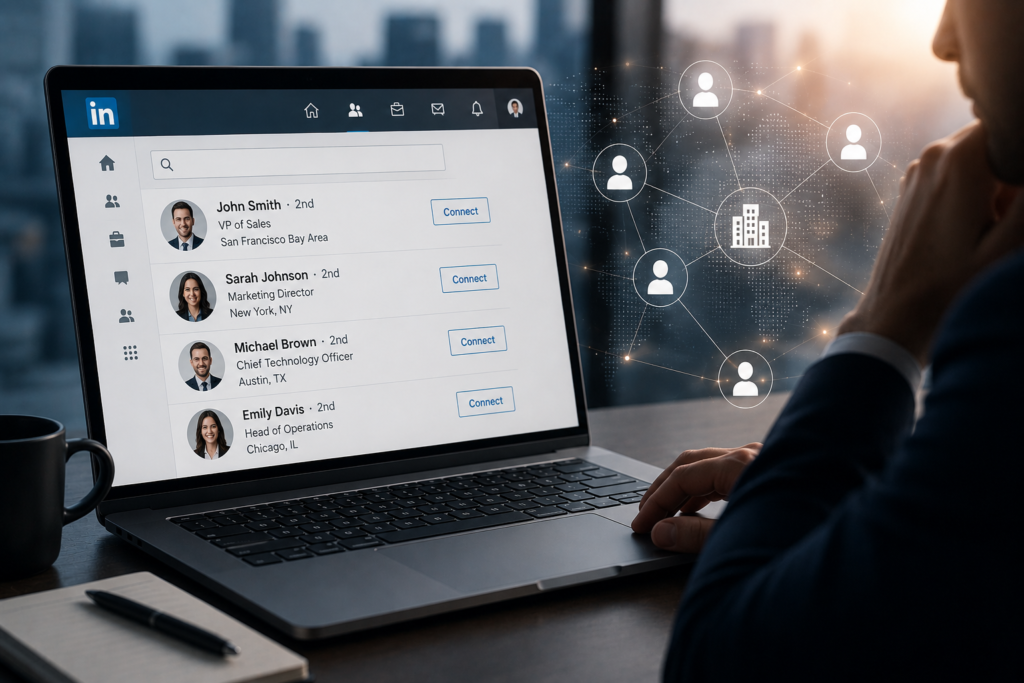
Using LinkedIn as intended searching for relevant people, learning about prospects, and engaging through the platform is fair game and useful. It’s an excellent research and relationship tool for identifying who to target and understanding their role and background before you reach out through appropriate channels.
The Terms-of-Service Problem
The core issue is that automated scraping or bulk extraction of LinkedIn data generally runs against the platform’s terms of service, which restrict such activity. Violating those terms can lead to account restrictions or bans and raises legal questions. So building a list by scraping LinkedIn isn’t the simple, risk-free shortcut it appears to be.
Missing Contact Details
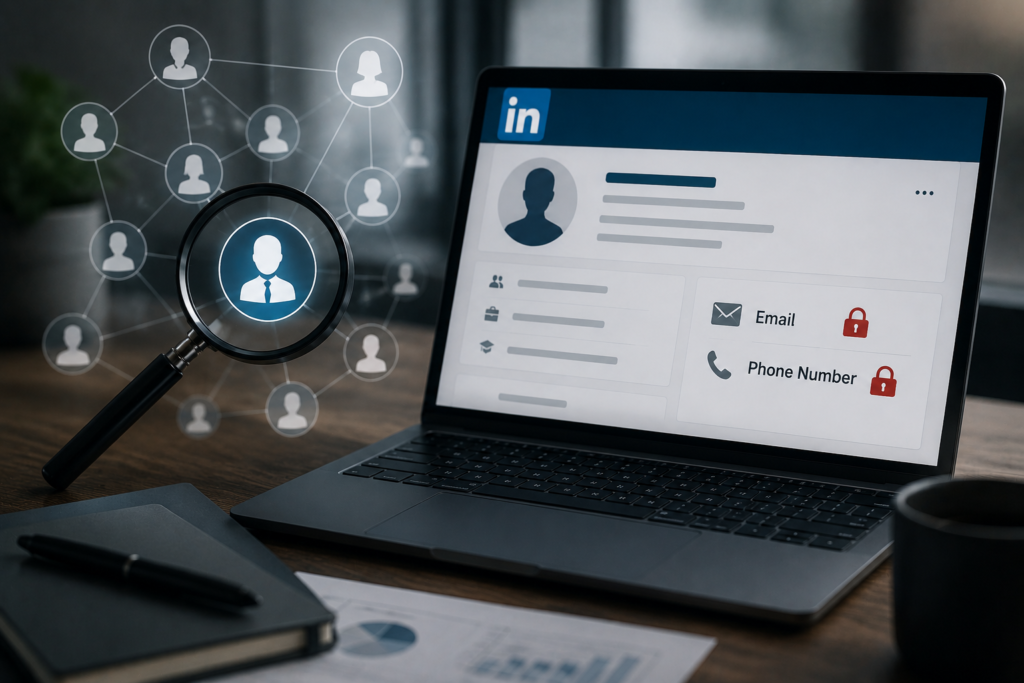
Even setting aside the rules, LinkedIn profiles often don’t expose the contact details you need for outreach business emails and direct dials usually aren’t there. So a “list” built from LinkedIn is frequently just names and titles, requiring you to find actual contact details elsewhere. The platform identifies people well but doesn’t hand you a ready outreach list.
Compliance and Privacy Considerations
Extracting and processing personal data from LinkedIn implicates privacy laws like GDPR, and doing so without a lawful basis or consent trail carries compliance risk. The fact that data is visible on a profile doesn’t make it free to extract and market to. These considerations apply regardless of the platform’s own terms.
A Better Approach
A more sustainable approach is to use LinkedIn for what it’s good at identifying and researching the right people and source verified contact details from a reputable, compliant data provider. This combines LinkedIn’s strength in identifying prospects with a vendor’s verified, lawfully-sourced contact data, avoiding the terms and compliance pitfalls of scraping.
Key Takeaways
LinkedIn is excellent for finding and researching prospects but a poor and risky way to build a contact list: bulk extraction generally violates its terms, profiles often lack contact details, and processing the data implicates privacy laws. Use LinkedIn to identify the right people, then source verified contact data from a compliant vendor and seek legal advice on specifics.
Frequently Asked Questions
Can I build a B2B list from LinkedIn?
You can use it to identify and research prospects, but bulk-extracting data into a list generally violates LinkedIn’s terms and carries compliance risk.
Is scraping LinkedIn against the rules?
Automated scraping or bulk extraction generally runs against LinkedIn’s terms of service, which can lead to account restrictions and raises legal questions.
What can I reasonably do on LinkedIn?
Search for relevant people, research prospects, and engage through the platform as intended — it’s an excellent research and relationship tool.
Does LinkedIn give me contact details?
Often not. Profiles usually don’t expose business emails or direct dials, so a LinkedIn “list” is frequently just names and titles.
Are there compliance risks to extracting LinkedIn data?
Yes. Processing personal data implicates privacy laws like GDPR, and visibility on a profile doesn’t make it free to extract and market to.
Can I get banned for scraping LinkedIn?
Violating the platform’s terms can lead to account restrictions or bans, so it’s not a risk-free shortcut.
What’s a better way to use LinkedIn for prospecting?
Use it to identify and research the right people, then source verified contact details from a reputable, compliant data provider.
Why not just rely on LinkedIn alone?
Because it lacks the contact details you need, restricts extraction, and processing its data carries compliance risk. Pair it with a compliant data source.
Is data on a public profile free to use?
No. Visibility doesn’t equal permission to extract and market to it. Privacy laws and platform terms still apply.
Is this legal advice?
No. Platform terms and data laws vary and are complex, so consult a qualified attorney for your specific situation.