Buying a B2B database is one of the higher-impact decisions a sales or marketing team makes but it isn’t right for every business at every stage. Before you spend anything, it’s worth checking whether your situation actually calls for one. Here are ten clear signs it’s time to buy, plus a few cases where you’re better off waiting.
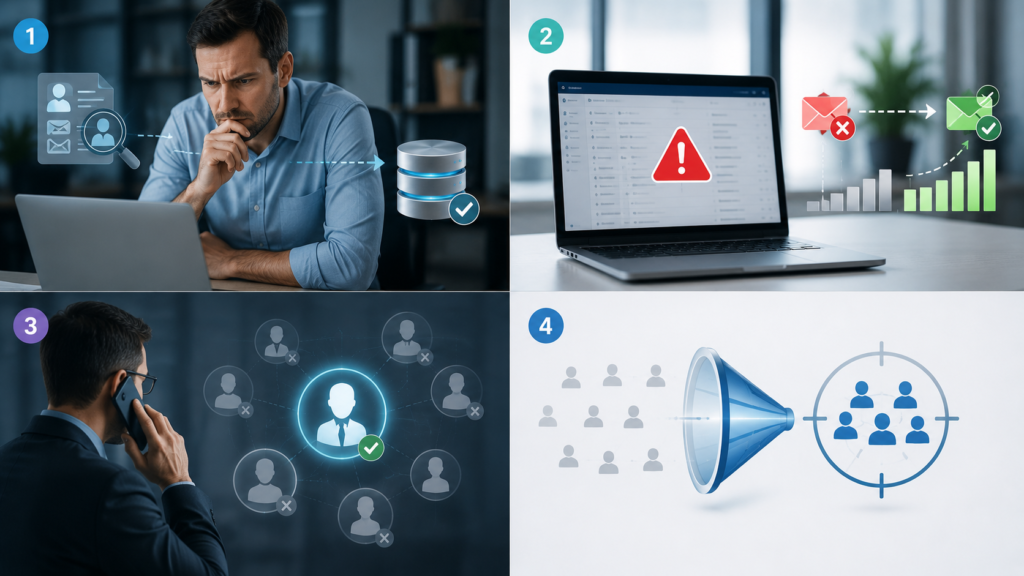
1. Your Reps Spend More Time Researching Than Selling
If your salespeople burn hours each day hunting for emails and phone numbers, you’re paying skilled people to do manual data entry. A B2B database collapses that research into seconds and reclaimed selling time is usually where the investment pays off fastest.
2. Your Email Bounce Rates Are Climbing
High bounce rates are a symptom of stale or guessed contact data. Beyond the wasted effort, repeated bounces damage your sender reputation and push future emails toward the spam folder. Verified, regularly refreshed data tackles the problem at its root.
3. You Can’t Reliably Reach Decision-Makers
If you keep landing on gatekeepers or generic info@ inboxes, you’re missing accurate seniority and direct-contact data. A good database lets you filter straight to the actual buyer and pull their direct line or verified business email.
4. You Have a Clearly Defined Target Audience
The more specific and stable your ideal customer profile for example, “IT directors at mid-market healthcare firms” the more value a database delivers. Precise, repeatable filtering only works when you know exactly who you’re targeting.
5. You’re Scaling Outreach Beyond a Handful of Accounts
Manual research works for 20 accounts and breaks at 2,000. If your growth plan depends on volume, you need a repeatable way to source prospects that doesn’t hinge on one person’s browser tabs and patience.
6. Your CRM Data Is Going Stale
If contacts in your CRM are bouncing, showing outdated titles, or missing key fields, a database can enrich and refresh them. This is a common reason to buy even when you aren’t adding brand-new prospects.
7. Sales and Marketing Are Working From Different Lists
When teams maintain separate, inconsistent spreadsheets, targeting drifts and reporting falls apart. A shared database gives both teams one consistent, current source which tightens both campaigns and forecasting.
8. You’re Entering a New Market or Segment
Expanding into a new industry, region, or company-size band means you start with little to no data. A database lets you size and reach that new audience quickly, rather than rebuilding your research from scratch.
9. You’re Relying on Scraping or Risky Free Sources
If your current “system” is manual scraping or random free downloads, you’re carrying quality and compliance risk. A reputable provider replaces that with documented sourcing and verification protecting both your results and your reputation.
10. You Can Connect Data Spend to Revenue
If you can estimate the value of a new customer and your conversion rates, you can model whether data spend pays back. When the math works and for teams doing volume outbound it usually does hesitating just leaves pipeline on the table.
When You Might Not Need One Yet
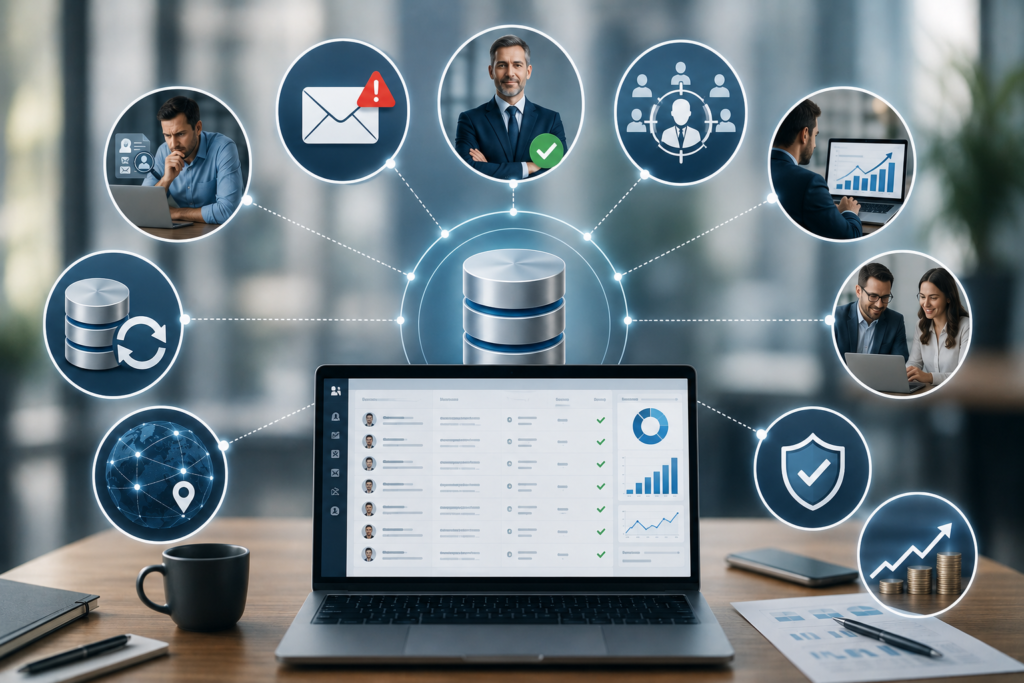
A database isn’t always the right next move. Hold off if you sell to a very small, well-known set of accounts you can research by hand; if you’re early-stage and still defining who you sell to; or if you have no process in place to actually work the leads once you have them. In each case, the data would sit unused. Fix the targeting and the follow-up process first, then buy the fuel to scale them.
Key Takeaways
The strongest signals that you need a B2B database all point to the same thing: you’re hitting the limits of manual prospecting, whether through wasted research time, rising bounce rates, or an inability to scale. If you have a defined audience, a way to work the leads, and a rough sense of what a customer is worth, a database will usually pay for itself. If those pieces aren’t in place yet, build them before you buy.
Frequently Asked Questions
How do I know if my business needs a B2B database?
The clearest signs are reps spending excessive time on research, climbing email bounce rates, difficulty reaching decision-makers, and a need to scale outreach beyond what manual research supports. If several apply, it’s likely time to buy.
Is a B2B database worth it for a small business?
Often yes, particularly for outbound sales or finding early customers. Smaller teams should favor affordable, easy-to-use tools with accurate data over large enterprise platforms with features they won’t use.
When should I not buy a B2B database?
Hold off if you sell to a tiny, well-known set of accounts you can research manually, if you haven’t defined your ideal customer yet, or if you lack a process to follow up on leads.
Can’t I just build my own list instead?
You can for small volumes, but manual list-building doesn’t scale and the data ages immediately. A maintained database stays current and lets you build targeted lists in minutes rather than weeks.
How quickly does a B2B database pay for itself?
The fastest return usually comes from reclaimed selling time. Teams that also improve targeting and reduce bounces typically see returns within the first campaign cycles.
What should I look for before buying a B2B database?
Focus on the quality of the data rather than the size of the database. Check how frequently records are verified, whether your target industries and job titles are covered, what filtering options are available, and how easily the data integrates with your existing sales and marketing tools.
How can I tell if a B2B database is accurate?
Ask for a sample of records and test them before committing. Review email deliverability rates, contact accuracy, and the freshness of company information. Reputable providers are transparent about their verification methods and update schedules.
Will a B2B database help me reach decision-makers faster?
Yes. One of the primary benefits of a B2B database is direct access to the people involved in purchasing decisions. Instead of spending hours researching organizations, you can quickly identify and target the most relevant contacts.
How much time can a B2B database save my sales team?
The exact amount varies, but most teams significantly reduce the time spent on prospect research, list building, and contact verification. This allows sales representatives to focus more of their day on outreach, meetings, and closing deals.
What’s the biggest mistake companies make when buying a B2B database?
The most common mistake is choosing a provider based solely on price or record count. A smaller database with highly accurate, relevant contacts will typically generate better results than a larger database filled with outdated or poorly matched records.