If you can’t measure how your purchased data performs, you can’t tell whether it was worth buying or how to improve. Measuring campaign performance turns data spend into something you can evaluate and optimize. Here’s what to track and how to measure it.
Why Measurement Matters
Measurement does two things: it tells you whether the data delivered value, and it shows you what to improve. Without it, you’re guessing whether a purchase paid off and flying blind on optimization. Treating each campaign as a measurable test with clear metrics is what lets you steadily improve results and justify continued spend.
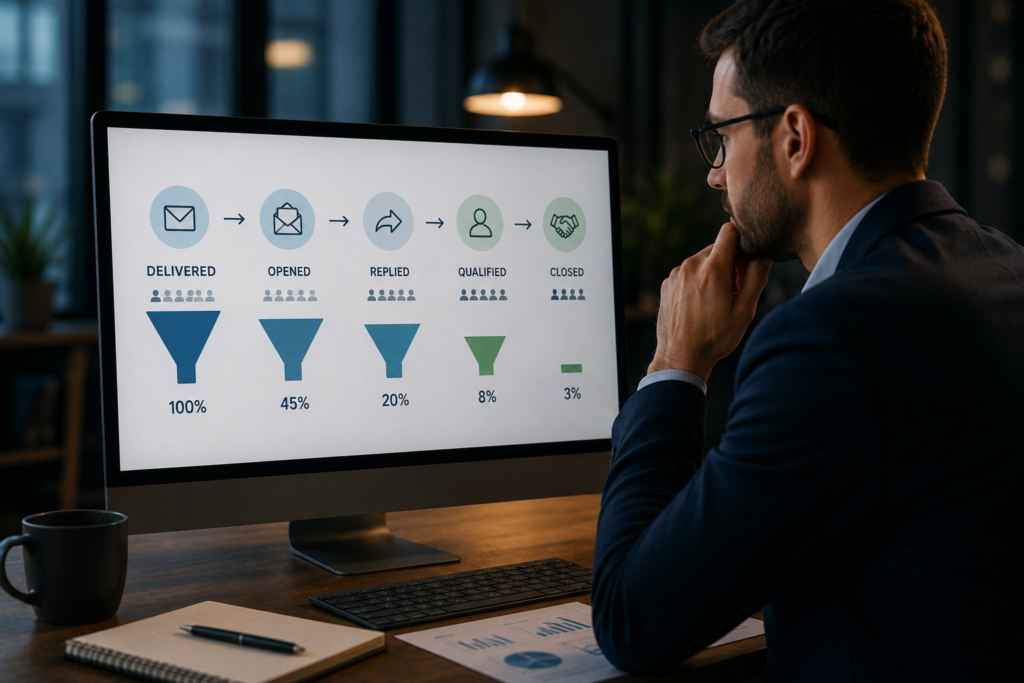
Start by Tracking the Full Funnel
Effective measurement follows the data through your whole funnel, not just one stage. From deliverability to response to qualified leads to closed deals, each step reveals something. Looking only at one metric say, open rates misses where the data and campaign actually succeed or break down. Track the journey end to end.
Key Metrics to Track
Useful metrics include deliverability and bounce rate (data quality), response and engagement rates (targeting and messaging), meetings or qualified leads booked (real progress), and ultimately pipeline and closed revenue (the bottom line). Together these show both whether the data was accurate and whether your outreach worked two distinct things worth separating.
Separating Data Quality From Outreach Quality
A crucial distinction: poor results can stem from bad data or bad outreach, and the fix differs. High bounce rates point to data quality; low response despite good deliverability points to targeting or messaging. Reading your metrics this way tells you whether to push your vendor on data or refine your own campaigns rather than blaming the wrong cause.
Tying Performance Back to ROI
Ultimately, connect campaign metrics to ROI: did the leads and revenue generated justify the data’s cost? Tracking outcomes through to pipeline and closed deals lets you calculate real return and compare it against your estimate. This closes the loop turning measurement into a verdict on whether the data investment paid off.

Using Data to Improve Over Time
Measurement is most valuable as a feedback loop. Use what each campaign reveals to refine targeting, messaging, and even which data you buy. Identify the best-performing segments and double down; spot weak spots and fix them. Over time, this disciplined measure-and-refine cycle compounds into meaningfully better results from the same data investment.
Key Takeaways
Measure campaign performance from purchased data by tracking the full funnel deliverability, response, qualified leads, and revenue and separating data-quality issues from outreach-quality issues, since the fixes differ. Tie performance back to ROI to judge whether the spend paid off, and use the metrics as a feedback loop to refine targeting, messaging, and future data buys.
Frequently Asked Questions
Why measure campaign performance from purchased data?
To tell whether the data delivered value and to learn what to improve. Without measurement, you’re guessing on both ROI and optimization.
What metrics should I track?
Deliverability and bounce rate, response and engagement rates, meetings or qualified leads booked, and ultimately pipeline and closed revenue.
Why track the full funnel?
Because each stage reveals something different. Looking at only one metric misses where the data and campaign actually succeed or break down.
How do I tell if poor results are from data or outreach?
High bounce rates point to data quality; low response despite good deliverability points to targeting or messaging. The fix differs by cause.
How does measurement connect to ROI?
By tracking outcomes through to pipeline and closed deals, you can calculate real return and judge whether the data’s cost was justified.
What does bounce rate tell me?
It’s a signal of data quality. High bounces indicate stale or invalid addresses, while low bounces suggest clean, current data.
What does low response with good deliverability mean?
That your data reached inboxes but your targeting or messaging isn’t resonating — an outreach problem rather than a data problem.
How do I use metrics to improve?
Identify best-performing segments and double down, spot weak spots and fix them, and refine targeting, messaging, and which data you buy.
Should I treat each campaign as a test?
Yes. Treating campaigns as measurable tests with clear metrics is what lets you steadily improve and justify continued spend.
What’s the bottom-line metric?
Pipeline and closed revenue tied to the data, compared against its cost — the ultimate measure of whether the investment paid off.