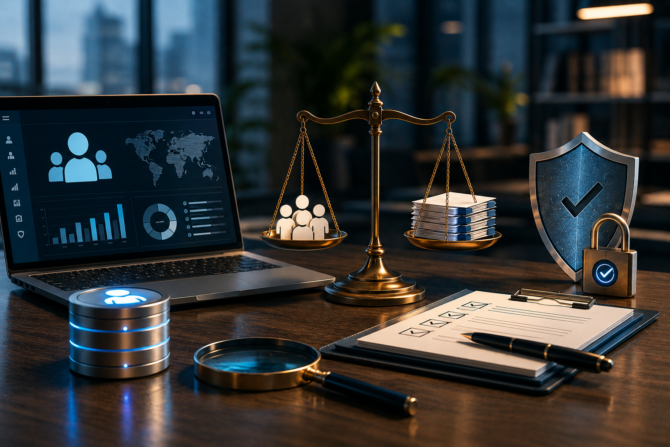
One of the most common questions buyers ask is whether purchasing a B2B database is even legal. The short answer is usually yes but how you
use the data is where the real rules apply, and those rules vary by region. This guide gives a plain-English overview to help you ask the right questions.
The Short Answer
In most jurisdictions, buying and owning a B2B database is legal. What’s regulated is how you collect, store, and use personal data including business contact details and how you market to people. So the legality question is less “can I buy this?” and more “can I use it the way I intend, where I operate?”
Why It Depends on Where and How
The rules that apply depend on where your contacts are located, where you operate, and what you do with the data. The same database might be used compliantly for one purpose or region and not for another. This is why a blanket “it’s legal” or “it’s illegal” is misleading compliance is contextual.

Key Laws That Apply to B2B Data
Several frameworks commonly come into play: the GDPR in the EU and UK (which treats business contact details as personal data), US state privacy laws such as California’s CCPA/CPRA, and email-marketing laws like the US CAN-SPAM Act and Canada’s CASL. Each sets different requirements around consent, notice, and opt-outs. We cover the major ones in their own articles.
Buying Data vs. Using Data
It helps to separate two questions. Acquiring a database from a reputable, compliant vendor is generally permissible.
Using it emailing, calling, processing the personal data is where most legal obligations attach. Many compliance problems come not from the purchase but from how the data is used afterward.
How to Reduce Your Compliance Risk
Practical steps lower your risk: buy only from vendors who can document lawful sourcing and consent, understand the rules in the regions you target, honor opt-out and deletion requests promptly, keep records of your processing, and follow the marketing rules for each channel. Building these habits in from the start is far easier than retrofitting them.

Vetting a Vendor’s Compliance
A reputable vendor should be able to explain where their data comes from, what lawful basis supports it, and how they handle data-subject rights. Vague or evasive answers are a warning sign if the vendor can’t account for their sourcing, that risk can flow to you. Treat compliance transparency as a core buying criterion.
Key Takeaways
Buying a B2B database is generally legal; the obligations attach to how you use the data, and the applicable rules depend on your contacts’ location and your activities. Reduce risk by buying from transparent, compliant vendors, learning the rules where you operate, and honoring opt-outs. When in doubt, consult a qualified attorney.
Frequently Asked Questions
Is it legal to buy a B2B database?
In most jurisdictions, yes. What’s regulated is how you collect, store, and use the data and how you market to people. Legality depends on context, so consult a professional for your situation.
Which laws apply to B2B data?
Commonly the GDPR in the EU and UK, US state privacy laws like CCPA/CPRA, and email-marketing laws such as CAN-SPAM and CASL. Each sets different requirements.
Is buying data different from using it?
Yes. Acquiring data from a compliant vendor is generally permissible, but most legal obligations attach to how you use it afterward emailing, calling, and processing the personal data.
How do I reduce compliance risk?
Buy from transparent vendors who document lawful sourcing, learn the rules in regions you target, honor opt-outs promptly, and follow the marketing rules for each channel.
What questions should I ask a vendor about compliance?
Ask how the data is sourced, what verification processes are used, how privacy requests are handled, what compliance documentation is available, and whether the vendor supports relevant regional privacy requirements.
Does GDPR automatically make B2B outreach illegal?
No. GDPR does not prohibit all B2B outreach, but it does regulate how personal data is processed and used. Organizations should understand the applicable legal basis for their activities and seek professional guidance when needed.
Why is vendor transparency important for compliance?
Transparent vendors can explain where their data comes from, how it is maintained, and how privacy rights are managed. This information helps buyers assess risk and make more informed purchasing decisions.
Should I keep records of consent, opt-outs, and outreach activity?
Maintaining accurate records can help demonstrate compliance, manage suppression lists, and ensure future communications respect recipient preferences. Good recordkeeping is an important part of responsible data management.
Can compliance requirements vary by country?
Yes. Privacy and marketing regulations differ significantly across countries and regions. Organizations conducting international outreach should understand the rules that apply in each market they target.
What are the risks of using non-compliant or poorly sourced data?
Potential risks include legal exposure, regulatory scrutiny, reputational damage, reduced email deliverability, and loss of trust from prospects. Evaluating a vendor’s sourcing and compliance practices can help reduce these risks.