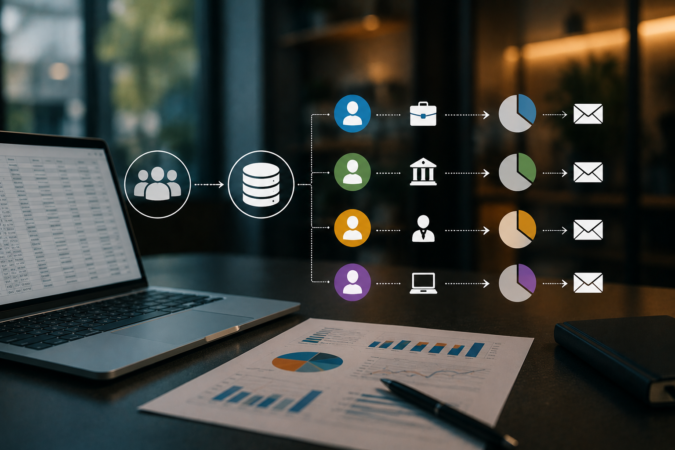
The fastest way to waste a good purchased list is to send everyone the same message. Segmentation — dividing your list into relevant groups — is one of the highest-leverage things you can do to improve results. Here’s how to segment a B2B list effectively.
Why Segmentation Drives Results
Relevance is the biggest driver of response in outreach, and segmentation is how you achieve it at scale. A message tailored to a specific group — their industry, role, or situation — outperforms a generic blast to everyone. Segmentation lets you be relevant to many people without writing each message from scratch.
The Problem With One-Size-Fits-All Outreach
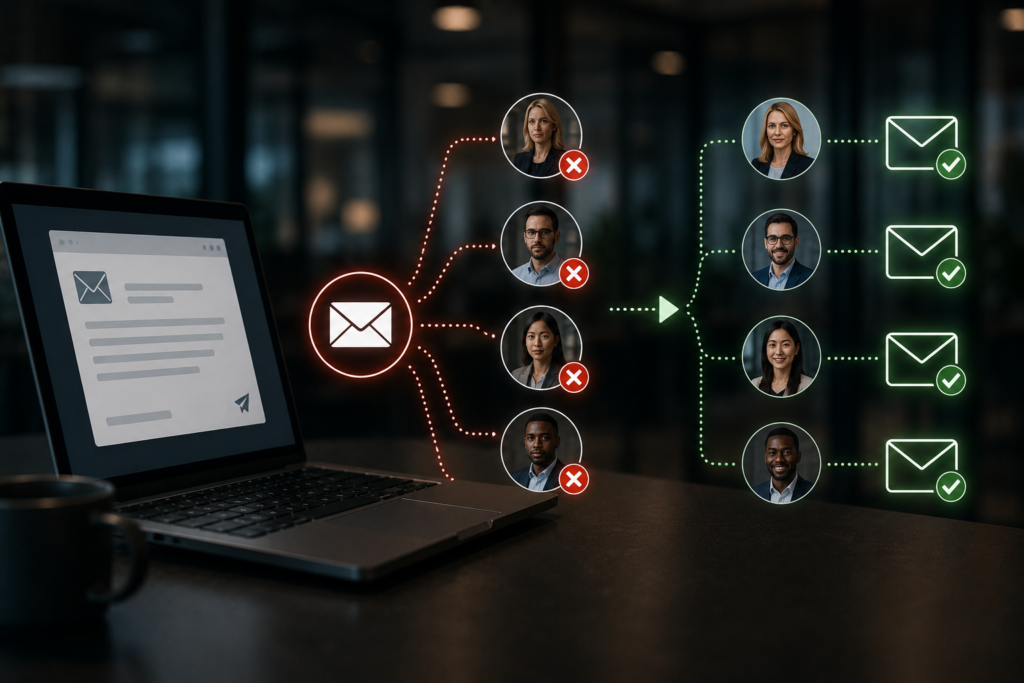
Sending one message to a whole list treats a marketing director and an IT manager, a startup and an enterprise, the same way — so the message resonates with almost no one. Generic outreach gets ignored and can harm your reputation. The richer your data, the more wasteful it is not to segment, since you have the detail to do better.
Common Ways to Segment
Useful segmentation dimensions include industry or vertical, company size, role or seniority, geography, and technology used. You can also segment by intent or buying-stage signals where available. The right dimensions are the ones that change your message — if a segment wouldn’t get different messaging, it’s not a useful split.
Segment by What Changes Your Message
The guiding principle: segment by the attributes that actually change what you’d say. If your pitch to enterprises differs from your pitch to startups, segment by size. If your value proposition varies by industry, segment by vertical. Segmenting on attributes that don’t affect your message just adds complexity without benefit — keep segments meaningful.
Matching Message to Segment
Once segmented, tailor each message to its group’s situation — referencing their industry’s challenges, their company’s scale, or their role’s priorities. Use your data’s fields to personalize within segments too. The combination of relevant segment-level messaging and individual personalization is what makes purchased data perform far above a generic blast.
Keeping Segmentation Manageable
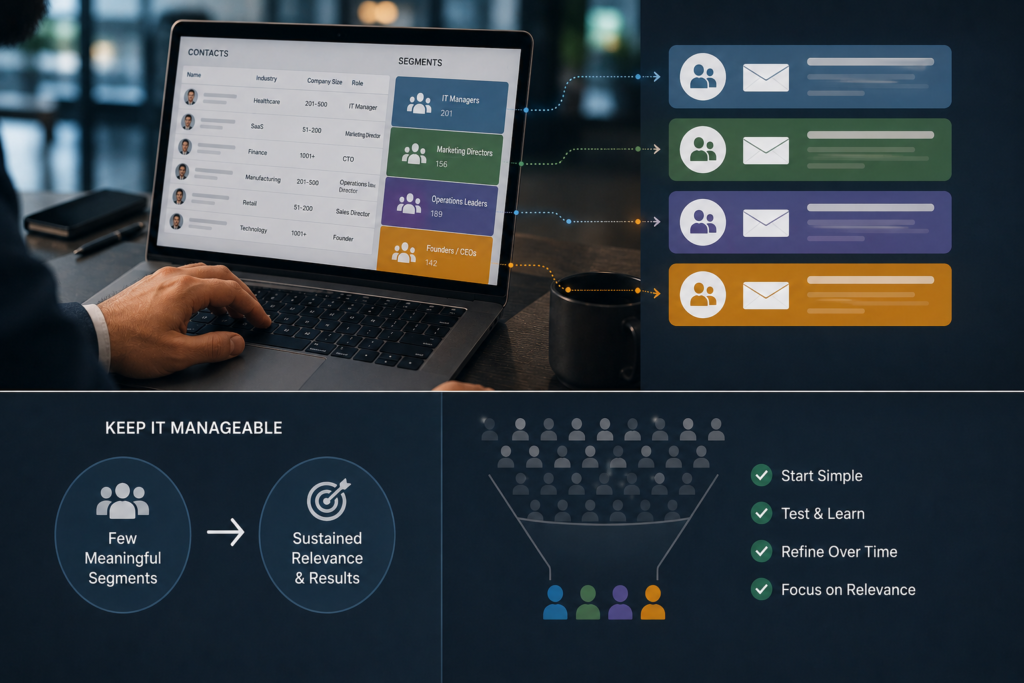
Don’t over-segment into dozens of tiny groups you can’t maintain. Start with a few meaningful segments that clearly warrant different messaging, then refine based on results. The goal is relevance you can sustain, not infinite micro-targeting. A handful of well-chosen segments captures most of the benefit without unmanageable complexity.
Key Takeaways
Segmentation turns a purchased list into relevant, higher-converting outreach by dividing it into meaningful groups — by industry, size, role, geography, or technology — and tailoring the message to each. Segment by the attributes that actually change your message, match messaging to each group, and keep segments manageable. Relevance is the biggest lever on response, and segmentation is how you pull it.
Frequently Asked Questions
Why should I segment a purchased list?
Because relevance drives response, and segmentation lets you send tailored messages to specific groups instead of a generic blast that resonates with no one.
What’s wrong with sending one message to everyone?
It treats very different prospects the same, so it resonates with almost no one, gets ignored, and can harm your reputation.
What are common ways to segment?
By industry, company size, role or seniority, geography, technology used, and intent or buying-stage signals where available.
How do I choose segmentation dimensions?
Segment by attributes that actually change your message. If a segment wouldn’t get different messaging, it’s not a useful split.
How do I match message to segment?
Tailor each message to the group’s situation — their industry’s challenges, company scale, or role priorities — and personalize within segments using data fields.
Can I over-segment?
Yes. Too many tiny segments become unmanageable. Start with a few meaningful ones that warrant different messaging, then refine based on results.
Does segmentation help with personalization?
Yes. Segment-level relevance plus individual personalization within segments is what makes purchased data perform far above a generic blast.
How many segments should I start with?
A handful of well-chosen ones that clearly need different messaging. That captures most of the benefit without unmanageable complexity.
Does richer data make segmentation more valuable?
Yes. The more detail you have, the more wasteful it is not to segment, since you have the attributes to make messaging relevant.
How do I improve my segments over time?
Track which segments respond best and refine your splits and messaging accordingly, evolving toward what actually drives results.