Buying data and storing it isn’t the goal reaching prospects is. That’s where sales engagement tools come in, sequencing and tracking your outreach. Connecting your data to them smoothly is what turns records into conversations. Here’s how to do it well.
Where Sales Engagement Tools Fit
Sales engagement platforms sit between your data and your prospects, sequencing emails, calls, and other touches and tracking responses. Your database supplies the contacts; the engagement tool runs the outreach. Connecting the two cleanly is what lets data flow into action without it, you’re manually copying records, which doesn’t scale.
The Data-to-Outreach Flow
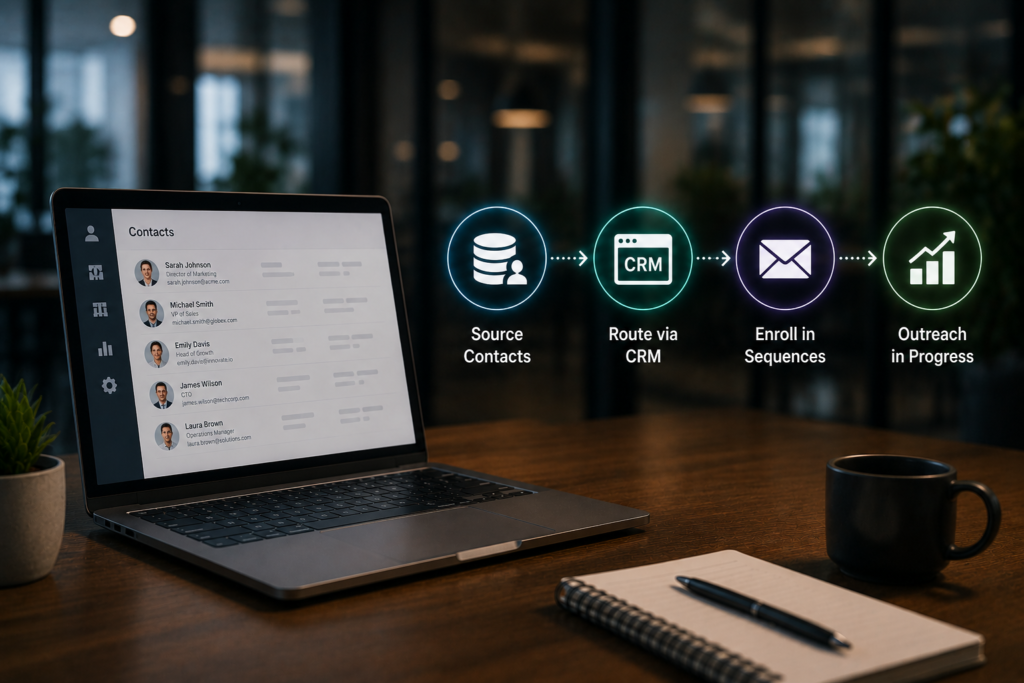
The typical flow runs: source contacts from your database, route them (often via your CRM) into your sales engagement tool, and enroll them in sequences. Done well, this is largely automated new qualified prospects flow into outreach with minimal manual handling. The smoother the connection, the faster data becomes pipeline.
How the Connection Is Made
Connections happen through integrations, APIs, or imports the same mechanisms used with a CRM. Many data providers and CRMs integrate with popular engagement tools, so contacts can sync automatically. Where native integration isn’t available, API or import bridges the gap, though with more setup or manual effort.
Keeping Data Quality Intact
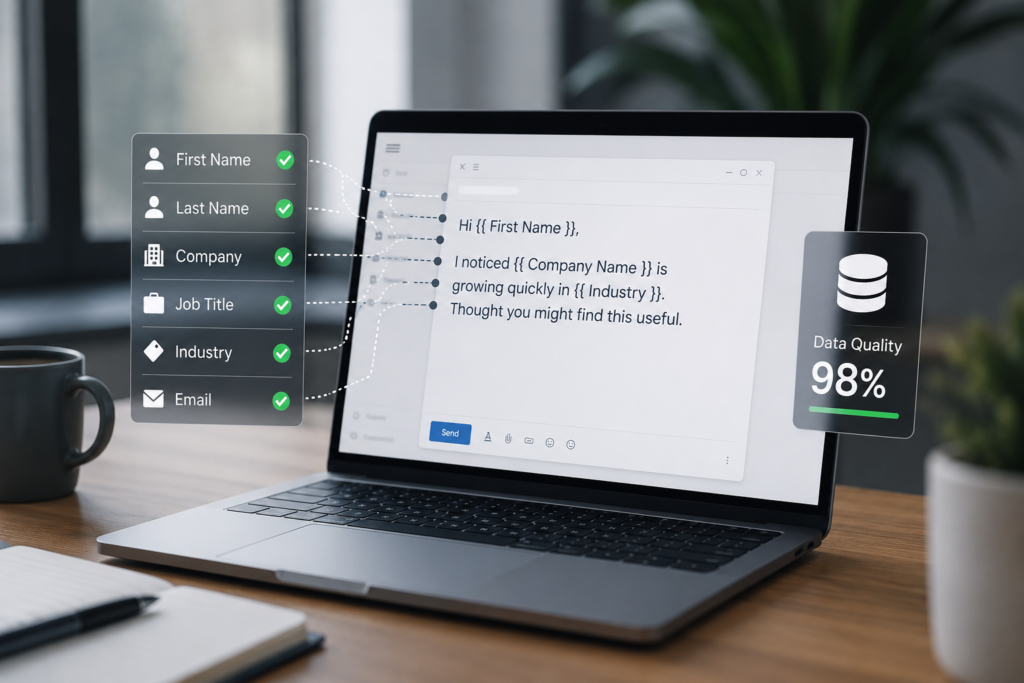
Quality has to survive the journey to the engagement tool. Validate emails before enrolling contacts in sequences, since bouncing through an engagement platform harms your sender reputation at scale. Carry over only clean, deduplicated records, and keep titles and fields accurate so personalization tokens in your sequences pull the right data.
Powering Personalization in Sequences
Engagement tools personalize at scale using data fields merging in names, companies, titles, and other details. That only works if the underlying data is accurate and complete. Connecting rich, clean data to your sequences is what lets you personalize automatically rather than generically. Garbage fields produce embarrassing merge errors, so data quality directly shapes outreach quality.
Avoiding Common Connection Pitfalls
Watch for duplicates enrolling people twice, stale data triggering bounces, mismatched fields breaking personalization, and contacts being sequenced without respecting opt-outs and suppression lists. Test the connection with a small batch, confirm personalization tokens populate correctly, and ensure your suppression list is honored. These checks prevent embarrassing or harmful outreach at scale.
Key Takeaways
Sales engagement tools turn your data into outreach, so connecting your database to them smoothly — via integration, API, or import — is essential. Keep data quality intact across the journey: validate emails, carry only clean records, and ensure fields are accurate for personalization. Test with a small batch and honor suppression lists to avoid harmful outreach at scale.
Frequently Asked Questions
What do sales engagement tools do?
They sequence and track outreach emails, calls, and other touches sitting between your data and your prospects to run and measure campaigns.
How do I connect data to a sales engagement tool?
Through integrations, APIs, or imports, often routing contacts via your CRM. Many providers integrate natively with popular engagement platforms.
What’s the data-to-outreach flow?
Source contacts from your database, route them (often via CRM) into the engagement tool, and enroll them in sequences ideally largely automated.
How do I keep data quality intact?
Validate emails before enrolling contacts, carry only clean deduplicated records, and keep fields accurate so personalization pulls the right data.
Why does data quality affect sequences?
Because engagement tools merge data fields into messages. Inaccurate or missing fields cause bounces and embarrassing merge errors at scale.
What pitfalls should I avoid?
Duplicates enrolling people twice, stale data causing bounces, mismatched fields breaking personalization, and ignoring opt-outs and suppression lists.
Should I test the connection first?
Yes. Test with a small batch, confirm personalization tokens populate, and ensure suppression lists are honored before scaling up.
Why validate emails before sequencing?
Because bouncing through an engagement platform harms your sender reputation at scale. Validation protects deliverability.
Can the data flow be automated?
Largely yes, with good integration new qualified prospects flow into outreach with minimal manual handling.
What if my engagement tool isn’t natively supported?
Use API or import to bridge the gap, though it requires more setup or manual effort than a native integration.