Buying B2B data for Europe is different from anywhere else, because coverage and compliance are inseparable GDPR and national rules shape what data you can use and how. You can’t think about European data without thinking about the rules. Here’s what to know.
Why Europe Is Different
Europe is among the strictest regions for personal data. GDPR treats identifiable business contacts as personal data, and national electronic-marketing rules add channel-specific requirements that vary by country. So in Europe, the question isn’t just “is the data good?” but “can I use it lawfully here?” the two are tightly linked.
Coverage Across a Fragmented Region
Europe is many countries with different languages, business cultures, and data landscapes, so coverage varies significantly by country. A provider strong in one European market may be thin in another. Treat “European coverage” as country-by-country rather than a single block, and verify the specific countries you target with a sample.

GDPR and B2B Data
Under GDPR, you need a lawful basis to process personal data, and identifiable business contacts qualify. Many B2B marketers rely on legitimate interest, which requires a balancing assessment, while consent is needed in some contexts. Compliant European data use depends on getting this basis right — a core consideration that shapes the whole approach.
National Electronic-Marketing Rules
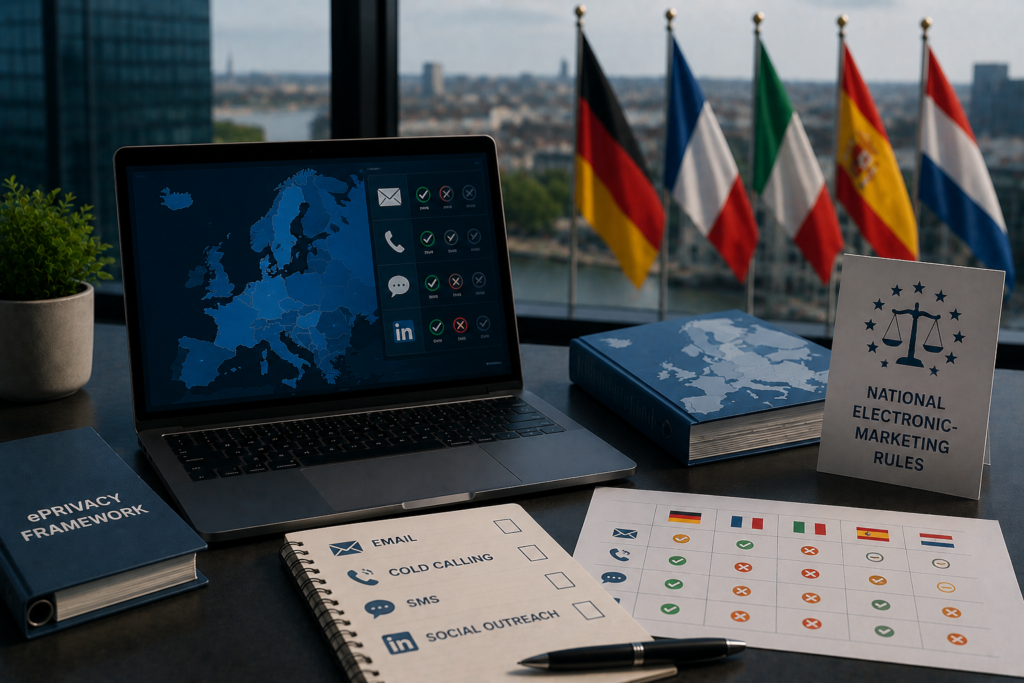
On top of GDPR, individual European countries have their own electronic-marketing rules (derived from the ePrivacy framework) that can require consent for certain outreach, especially email, and differ from country to country. So an approach compliant in one European country may not be in another. Channel and country both shape what’s permissible.
Why Compliant Sourcing Is Essential
In Europe, where the data came from and on what basis is critical, because you inherit sourcing risk. A European data purchase is only as safe as the vendor’s lawful sourcing and consent practices. Vet sourcing rigorously, favor vendors who can evidence GDPR-compliant practices, and treat compliant sourcing as a non-negotiable buying criterion here.
What to Prioritize When Buying European Data
For Europe, prioritize country-specific coverage verification, a clear understanding of your lawful basis and the national marketing rules for each target country, and rigorously vetted, compliant sourcing. Coverage and compliance must be evaluated together — great European data you can’t use lawfully is worthless, and lawful use you can’t achieve at coverage is useless.
Key Takeaways
In Europe, coverage and compliance are inseparable: GDPR treats business contacts as personal data, national marketing rules vary by country, and coverage is country-by-country. Verify coverage per target country, understand your lawful basis and each country’s electronic-marketing rules, and insist on compliant sourcing. Evaluate data and legality together — and consult an attorney on the specifics.
Frequently Asked Questions
What makes buying B2B data for Europe different?
Coverage and compliance are inseparable. GDPR treats business contacts as personal data, and national marketing rules shape what you can use and how.
Does GDPR apply to European B2B data?
Yes. Identifiable business contacts are personal data under GDPR, so you need a lawful basis — often legitimate interest with a balancing test — to process them.
Is European coverage uniform?
No. Europe is many countries with different data landscapes, so coverage varies by country. Verify the specific countries you target with a sample.
Do I need consent to email in Europe?
It depends on the country. National electronic-marketing rules can require consent for email and differ across Europe, on top of GDPR’s lawful-basis requirement.
What is legitimate interest in this context?
A GDPR lawful basis many B2B marketers rely on, requiring a balancing assessment of your interest against the individual’s rights, with a right to object.
Why is sourcing so important for European data?
Because you inherit sourcing risk. A European purchase is only as safe as the vendor’s lawful sourcing and consent practices, so vet them rigorously.
Can an approach compliant in one EU country fail in another?
Yes. National marketing rules differ, so country-by-country compliance matters even within Europe.
Should I verify coverage per country?
Yes. Treat European coverage as country-by-country and verify the specific markets you target rather than trusting a single “Europe” claim.
What should I prioritize buying European data?
Country-specific coverage verification, a clear lawful basis and understanding of national marketing rules, and rigorously vetted compliant sourcing.
Is this legal advice?
No. European data laws are complex and vary by country, so consult a qualified attorney for your specific situation.