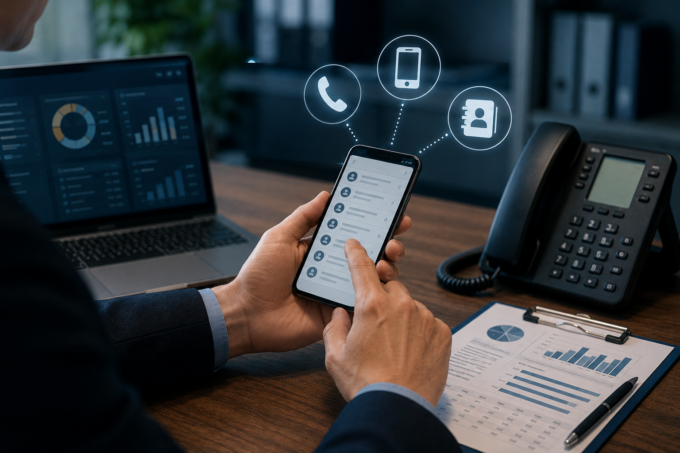
Phone data — especially direct dials and mobile numbers — is some of the most valuable and most difficult B2B data to get right. It can cut through where email fails, but accuracy and coverage vary widely, and there are compliance considerations email doesn’t carry. Here’s what to expect when buying it.
Why Phone Data Is Different
Phone data is harder to source and verify than email, and reaching the right number matters more — a wrong dial wastes a rep’s live effort, not just an automated send. It’s also subject to calling-specific rules. These factors make phone data a premium category where quality varies more than with email.
Direct Dials vs. Switchboard Numbers
The crucial distinction is between a direct dial — which reaches your target person — and a general company or switchboard number that drops you at reception. For sales, direct dials are far more valuable, since they let reps reach decision-makers without gatekeepers. When buying phone data, clarify how much of it is genuine direct dials.
Mobile vs. Office Numbers
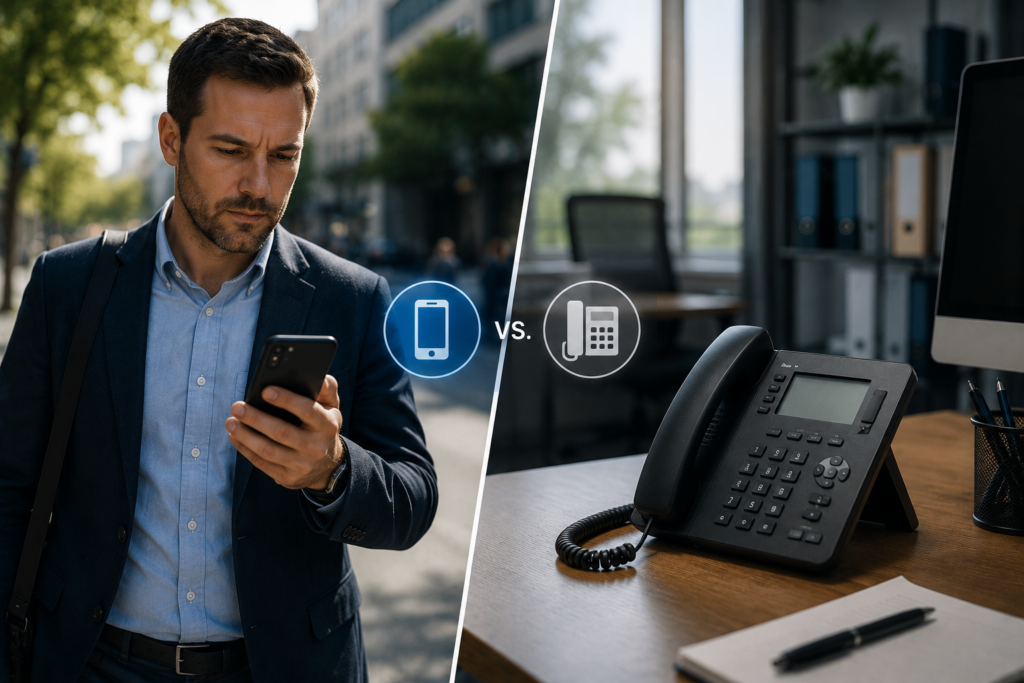
Mobile numbers and office lines serve different purposes, and their relevance has shifted with remote and hybrid work. Mobiles can reach people directly wherever they are, while office numbers may go unanswered if a contact rarely sits at their desk. Consider which type fits your audience and how the vendor balances the two in their coverage.
What to Expect on Accuracy and Coverage
Expect more variation than with email. Direct-dial accuracy and fill rates differ significantly between vendors and segments, and even good data decays as people change roles. No vendor will have a perfect direct dial for everyone, so set realistic expectations and evaluate coverage and accuracy specifically for your target, not in general.
Compliance Considerations for Calling
Calling carries its own rules that can differ from email — some regions and channels have stricter requirements, do-not-call considerations, and consent rules, particularly for mobiles and automated dialing. Understand the rules where your prospects are before launching phone outreach, and treat this as general information, not legal advice.
How to Evaluate Phone Data Before Buying
Test it. Request a sample and check what proportion are genuine direct dials, dial a handful to confirm they connect to the right person, and check fill rates for your target segment. Because phone data quality varies so much, a sample test is even more important here than for email — it’s the only way to know what you’re really getting.
Key Takeaways
B2B phone data is premium and variable: direct dials are far more valuable than switchboard numbers, mobiles and office lines suit different audiences, and accuracy and coverage differ widely by vendor and segment. Calling also carries channel-specific compliance rules. Test a sample for genuine direct dials and connection accuracy before buying, since quality varies more than with email.
Frequently Asked Questions
What should I expect when buying B2B phone data?
More variation than with email. Direct-dial accuracy and coverage differ widely by vendor and segment, and calling carries its own compliance rules.
What’s the difference between a direct dial and a switchboard number?
A direct dial reaches your target person; a switchboard number drops you at reception. Direct dials are far more valuable for sales.
Should I buy mobile or office numbers?
It depends on your audience. Mobiles reach people directly anywhere, while office lines may go unanswered with remote work. Consider which fits your targets.
Is phone data accurate?
Accuracy varies more than email and decays as people change roles. No vendor has a perfect direct dial for everyone, so evaluate for your specific target.
Why is phone data more expensive?
It’s harder to source and verify than email, and accurate direct dials require ongoing effort to maintain, which raises the price.
Are there compliance rules for calling?
Yes. Calling carries channel-specific rules that can differ from email, including do-not-call and consent considerations, especially for mobiles. Check local rules; this isn’t legal advice.
How do I evaluate phone data quality?
Request a sample, check the proportion of genuine direct dials, dial a few to confirm they connect to the right person, and check fill rates for your segment.
What is direct-dial fill rate?
The share of records that actually have a direct dial populated. A vendor may offer dials but fill them on only a fraction of contacts, so ask.
Does phone data decay faster than email?
Both decay as people change roles. Phone numbers can also be reassigned, so freshness and ongoing verification matter for accuracy.
Is a sample test more important for phone data?
Yes. Because phone quality varies so much, testing a sample for genuine direct dials and connection accuracy is the only reliable way to know what you’re buying.