When you buy B2B data, you inherit some of the risk attached to how that data was gathered. If a vendor can’t account for their sourcing, that uncertainty can become your problem. Vetting a vendor’s sourcing and consent trail is therefore a core part of responsible buying. Here’s how to do it.
Why Sourcing Is Your Concern Too
Data sourcing matters to the buyer because compliance obligations and reputational risk don’t stop at the vendor. If you market to people whose data was collected improperly, you may face consequences regardless of who gathered it. Treating sourcing as the vendor’s problem alone is a mistake — due diligence protects you.
What “Data Sourcing” Covers
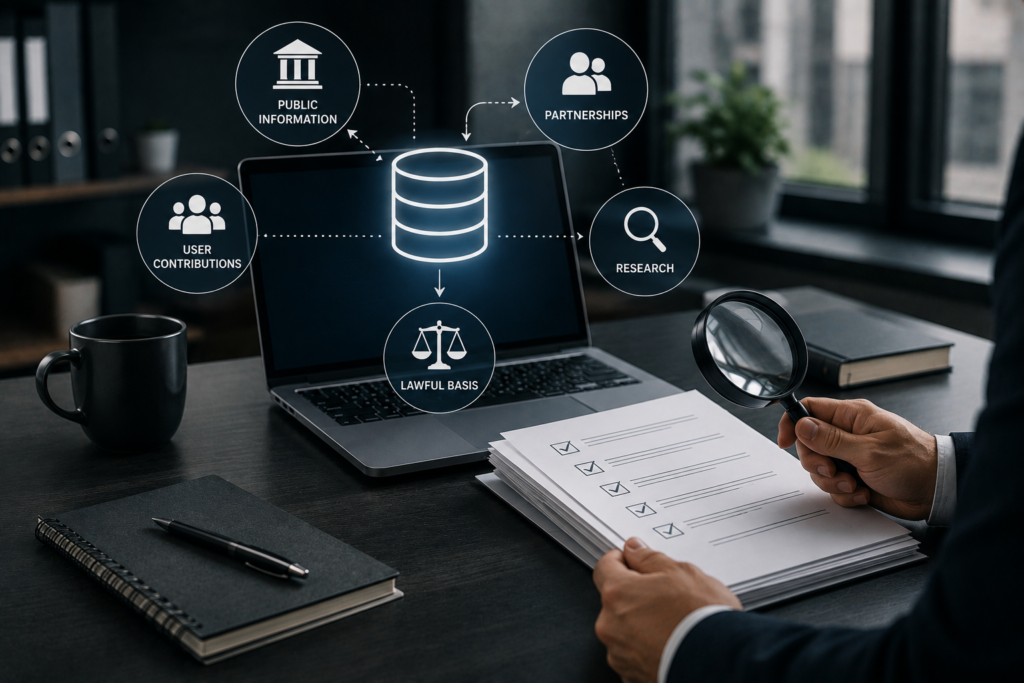
Sourcing is where and how a provider obtains its data — public information, partnerships, user contributions, research, and so on — and the lawful basis underpinning it. A clear picture of sourcing tells you whether the data was gathered responsibly and whether the vendor understands their own supply chain.
Questions to Ask About Sourcing
Direct questions reveal a lot: Where does your data come from? What lawful basis supports collecting and sharing it? How do you handle data-subject rights like access and deletion? Do you maintain suppression and do-not-contact records? A vendor that answers specifically is demonstrating control; vague answers suggest gaps.
Understanding the Consent Trail
The “consent trail” is the documentation showing how data was lawfully obtained and what permissions or lawful bases apply. Depending on the data and region, this might involve consent records or documented legitimate-interest assessments. The point isn’t to demand every record, but to confirm the vendor can substantiate their basis if challenged.
Red Flags in a Vendor’s Sourcing
Be wary of vendors who can’t or won’t explain where their data comes from, who make sweeping legality claims without nuance, who can’t describe how they handle deletion or opt-out requests, or whose pricing seems implausibly low for the volume offered. Each can signal sourcing you don’t want to be downstream of.
Contractual Protections to Look For
Beyond verbal assurances, look for contractual terms: representations and warranties about lawful sourcing, commitments to honor data-subject requests, and clarity on each party’s responsibilities. Well-drafted terms won’t eliminate your obligations, but they document the vendor’s commitments and clarify accountability — worth having your legal team review.

Key Takeaways
A vendor’s sourcing and consent trail can become your risk, so vet them deliberately: ask where data comes from and what lawful basis applies, confirm they handle data-subject rights and suppression, watch for evasiveness or implausible pricing, and seek contractual protections. Responsible sourcing is a buying criterion, not an afterthought — and a professional should review the specifics.
Frequently Asked Questions
Why does a vendor’s data sourcing affect me?
Because compliance and reputational risk can extend to you as the user of the data. Marketing to improperly collected data can cause problems regardless of who gathered it.
What should I ask a vendor about sourcing?
Where the data comes from, the lawful basis for collecting and sharing it, how they handle access and deletion requests, and whether they maintain suppression records.
What is a consent trail?
Documentation showing how data was lawfully obtained and what permissions or lawful bases apply — evidence the vendor can substantiate their basis if challenged.
What are red flags in vendor sourcing?
Inability to explain data origins, sweeping legality claims without nuance, no clear process for deletion or opt-outs, and pricing that seems implausibly low for the volume.
Should sourcing be addressed in the contract?
Yes. Look for representations about lawful sourcing, commitments to honor data-subject requests, and clear allocation of responsibilities, ideally reviewed by your legal team.
Does buying from a reputable vendor remove my obligations?
No. It reduces risk, but you still have your own responsibilities for how you use the data. Due diligence complements rather than replaces your compliance duties.
Can a vendor show me actual consent records?
Often they can’t share individual records for privacy reasons, but they should be able to explain their lawful basis and how they document it at a process level.
What if a vendor refuses to discuss sourcing?
Treat refusal as a serious warning sign. Transparency about sourcing is reasonable to expect, and evasiveness suggests gaps you may inherit.
Does low price indicate poor sourcing?
Not always, but implausibly cheap data for large volumes can be a signal worth probing. Quality sourcing and verification cost money to maintain.
How often should I re-vet a vendor?
Periodically, and whenever your usage, regions, or the legal landscape changes. Sourcing practices and laws both evolve over time.